

JTG Bulletin
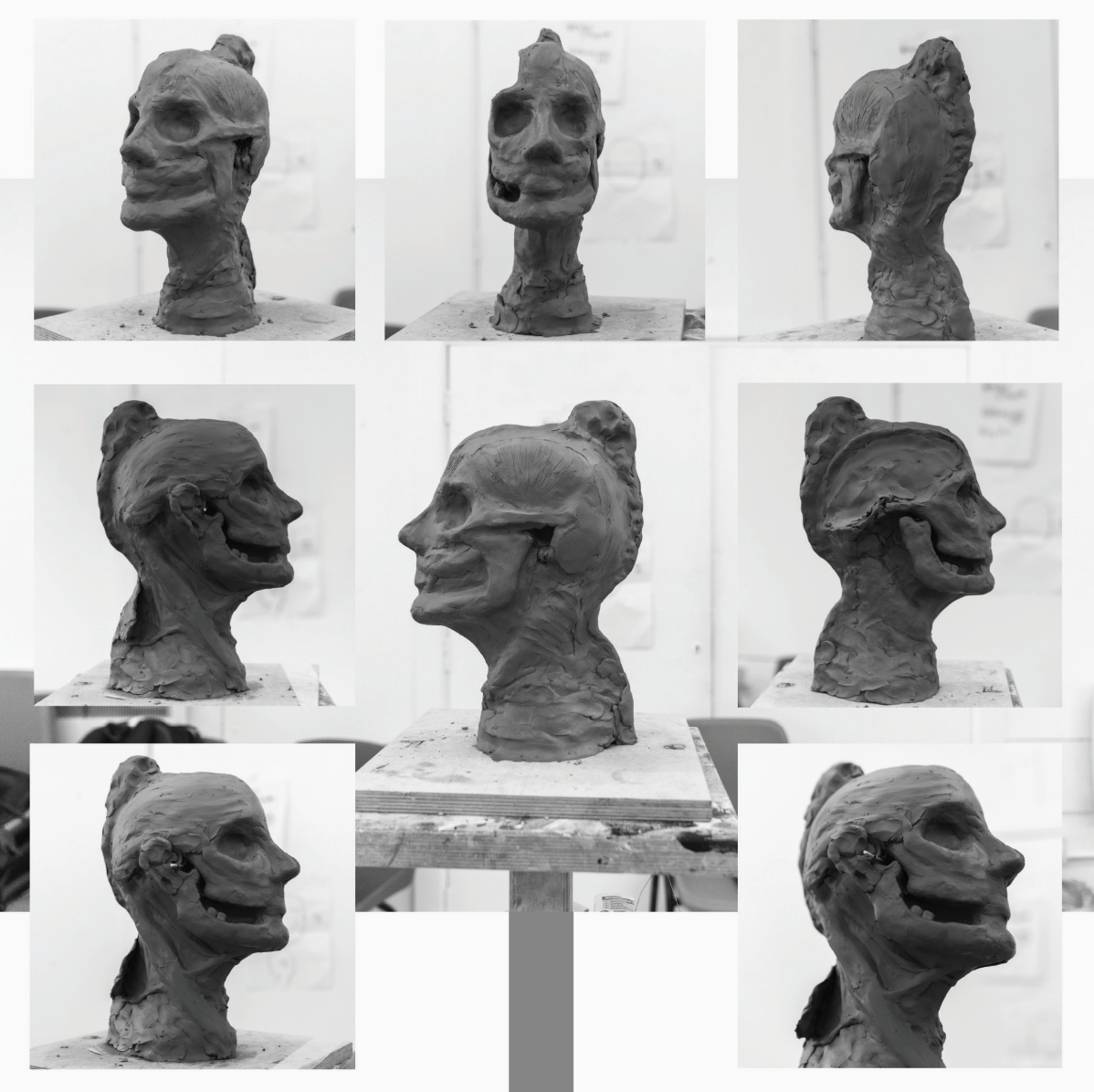

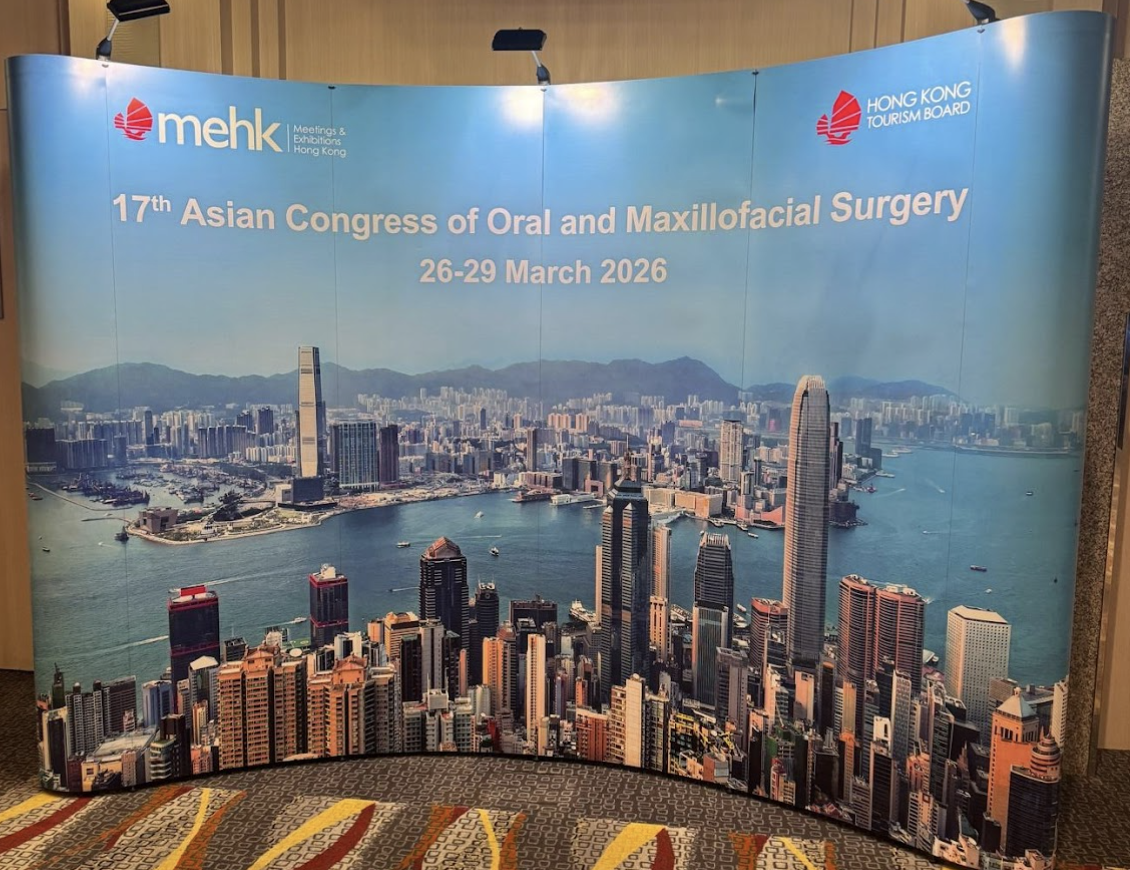

JTG Regional Representative Muskan Nafis reporting on her experiences at ICOMS2025

JTG University Representative Medha Sridhar Rao summarises the 2024/2025 academic year at Queen University Belfast.

One of the biggest barriers to embarking on a second-degree can be the challenges of funding your studies and supporting yourself throughout. The below resource outlines some general advice on potential sources of funding, and ways that you can manage your money during your second-degree studies.

Most reading this will have experienced feeling out of your depth as dentists new to working in OMFS. Toss in ENT cross-cover and it’s a whole other story. The reality being that regularly overnight, I am said SHO answering every bleep about bleeding, blocked airways and small children who have inhaled bits of plastic shaped like cartoon cats.

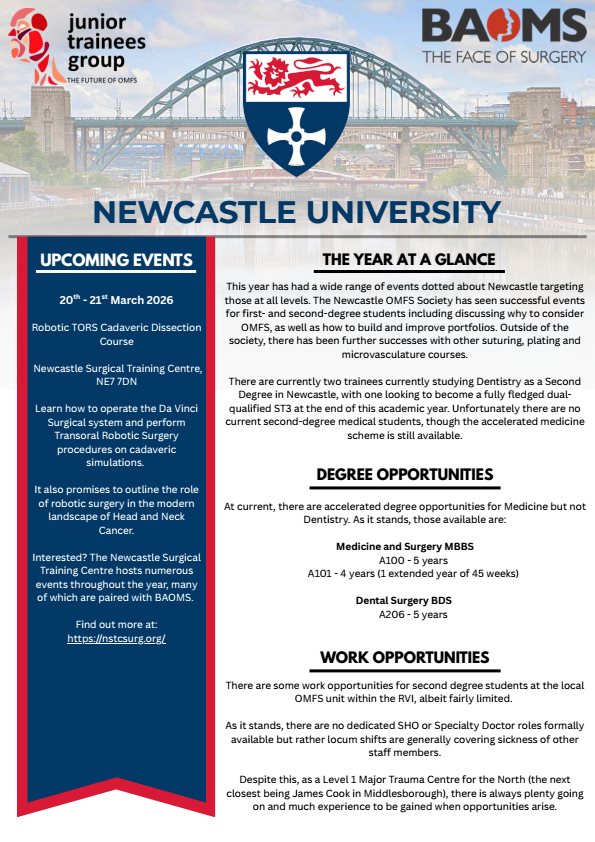
Congratulations! You have been accepted into the University of Leeds to study medicine as a direct entrant to third year. Direct entrants have a ‘catch up’ lecture series with the head of third year a week before university is due to start. It will involve teaching sessions with various doctors on common medical topics – ECGs, physical examinations, chest x-ray interpretation etc. You can also practice some of these skills on suitable patients if time allows. It’s a really useful few days so I would advise you to plan ahead and make the most of it by brining any questions you may have.

Oral and maxillofacial surgery (OMFS) is renowned for its long and arduous pathway. There have historically been various routes into OMFS, with the second-degree often being considered by both dentistry- and medicine-first trainees as the biggest hurdle. With recent changes to specialty training, this guide aims to concisely delineate the pathways available to the Scottish applicant.
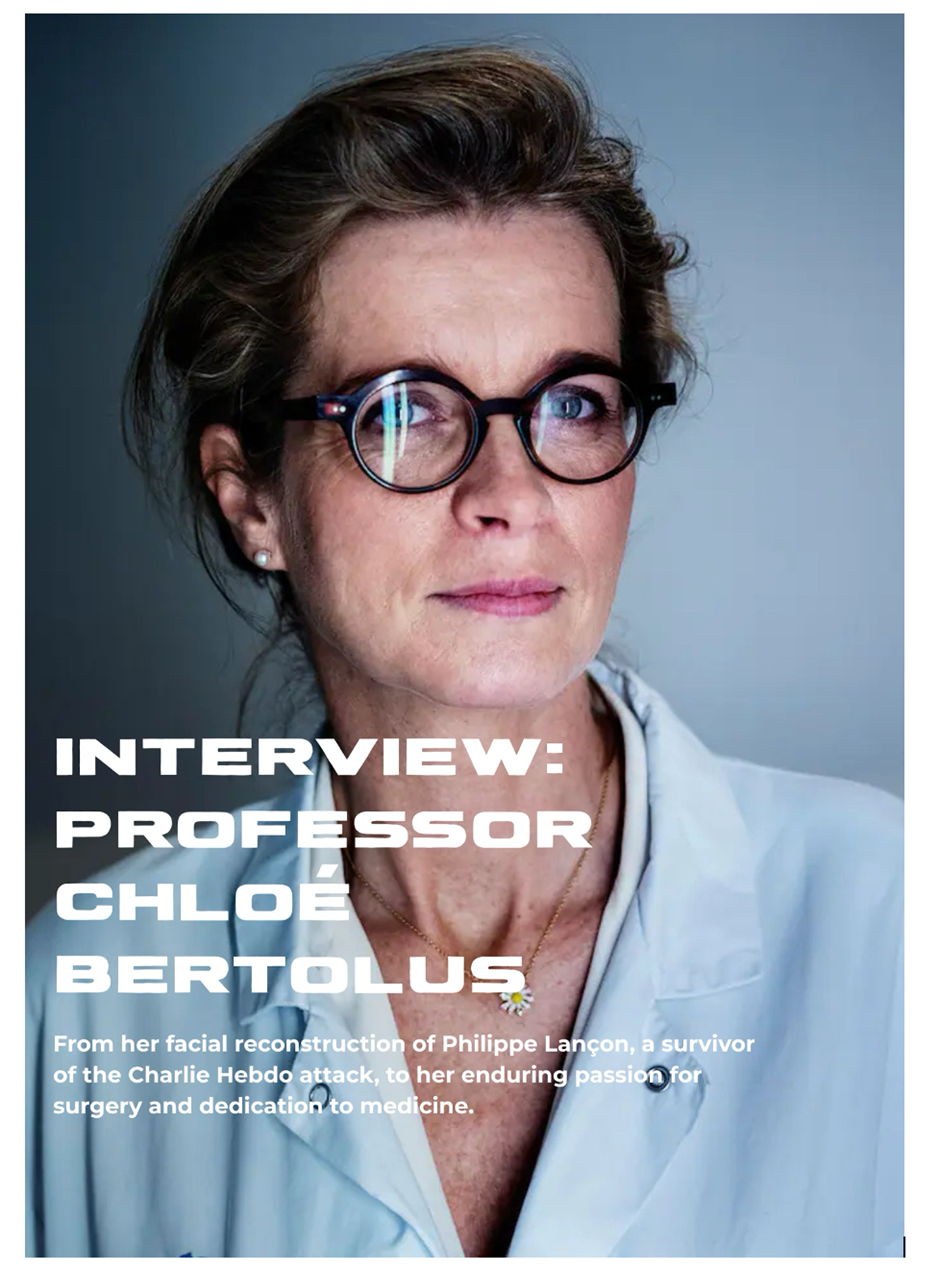
Professor Chloé Bertolus is the Head of the Maxillo-Facial Surgery Department at Pitié-Salpêtrière Hospital in Paris. She gained public recognition in 2018 following the publication of Philippe Lançon’s memoir Le Lambeau (The Flap), in which she is depicted as a central figure responsible for his facial reconstruction and recovery. Lançon, a French journalist, survived the Charlie Hebdo terrorist attack in January 2015 in Paris.
Since then, Professor Bertolus has appeared in numerous media outlets, contributing to the popularization of maxillo-facial surgery and raising public awareness of the field. She is renowned for her forthright opinions on medicine, patient care, and the surgeon’s role.
In this conversation, Professor Bertolus reflects candidly on empathy in surgical practice, the weight of medical decision-making, and the evolving collaboration between French and British surgical communities.
It is an honour to interview Professor Bertolus, as our paths share notable similarities: both from Chambéry, France, having studied in London, and sharing a passion for surgery.
This learning resource will take you through the interpretation of OPG’s, a standard radiographic study used ubiquitously in OMFS.

Back in the day, I used to think of “bullying” as that silly kid at school who makes fun of everyone. Unfortunately, it can take many forms and shapes in the professional world, especially in healthcare.
I learned this the hard way when I worked as a Dental SHO in the Oral and Maxillofacial Surgery department in one of the hospitals down south. It was a really nice and quiet town by the sea, but the toxic work environment made my life he

Gender dysphoria is clinically defined as a ‘marked incongruence between one’s experienced/expressed gender and natal gender of at least 6 months in duration’ (1), with the presence of 2 or more of a list of other specified psychological manifestations.
This can often be confused with gender non-conformity. Gender non-conformity is not a clinical diagnosis, rather a pattern of behaviour exhibited in certain affected individuals where their behaviour and actions are not traditionally conforming to their assigned sex at birth. Gender dysphoria can usually be differentiated by the presence of distress along with the incongruence. (2)
In the field of OMFS it is very important to understand the differences of these diagnoses and how to recognise them. Some of the surgeries (especially those which interface with gender presentation) such as gender-affirming procedures within the field can often be necessary due to these indications, not to mention that some OMFS trainees and staff themselves may be living with these diagnoses themselves.

The CREHST form (Certificate of Readiness to Enter Higher Surgical Training), now formally known as the slightly less catchy ACEEHST (Alternative Certificate of Eligibility to Enter Higher Surgical Training), is a certificate of equivalence for Core Surgical Training (CST). It can be used by individuals who have gained core surgical experience outside a UK CST post but can demonstrate that they have achieved the same outcomes as a trainee completing CST with a satisfactory ARCP.

For many doctors and dentists considering a career in OMFS, the path may seem to be almost predetermined – complete your first degree, undertake foundation, and core training, and apply for a three-year second-degree programme. These courses are well known, highly competitive, and naturally attract those pursuing a career in OMFS. However, having almost completed a four-year medical degree after previously qualifying in dentistry, I would like to offer an alternative perspective that I feel is often overlooked.

Is taking a year out for an intercalated degree really worth it?
With competitive training pathways and the added cost of an extra year, taking time out of medicine or dentistry to intercalate may seem like a risky move. For many students, it’s an opportunity to explore a subject in greater depth and grow both academically and personally. This bulletin post explores the potential benefits and drawbacks, and helps you decide whether intercalating could be the right choice for you.

Returning to university for a second full-time degree is a challenge in itself — and one of the biggest questions for many is: how will I fund it?
This short bulletin aims to make the process a little less daunting by sharing practical advice and personal experience. Although written from a dentist-first perspective, the same principles can help anyone balancing study, work, and life during a second degree.
In this guide we’ll cover:
• Funding options available
• Organising your work schedule
• Keeping track of your finances
• Maintaining a healthy work–life balance
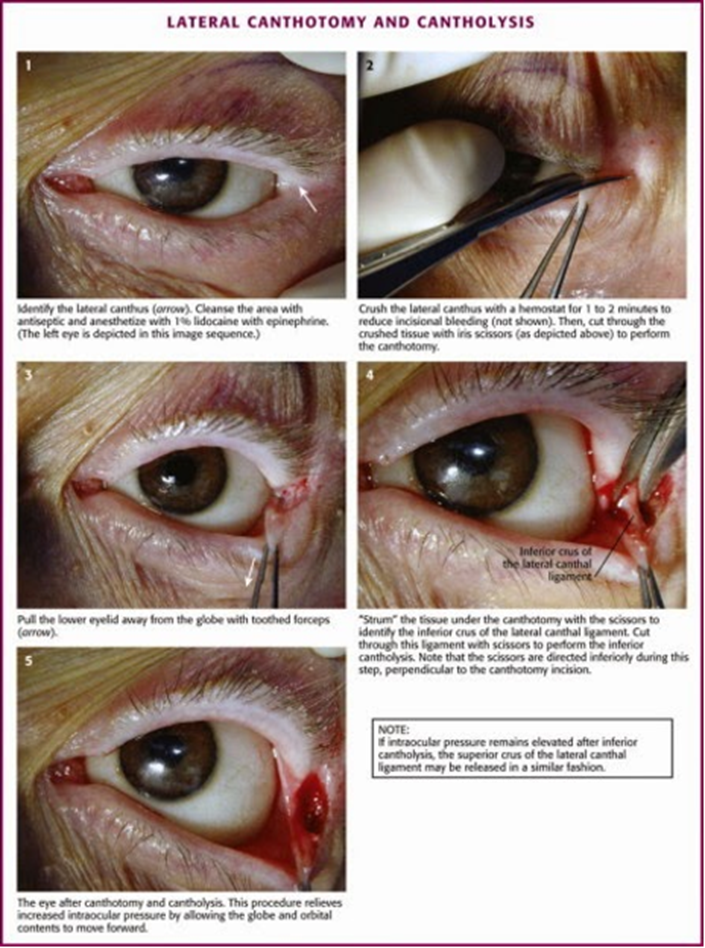
Everything in life can be compartmentalised – and OMFS on-call is no different. If one really wants to break things down to the very basics, there are only really three different true OMFS emergencies requiring a timely intervention that you may have to handle while on-call: Airway compromise, Infection, and Bleeding (or a combination of the three). This isn’t to say you have to handle these issues alone – senior support would be expected in any of these cases – however, knowledge of the pathophysiology, consequences, and urgencies is crucial for diagnosis, escalation, and initial management.
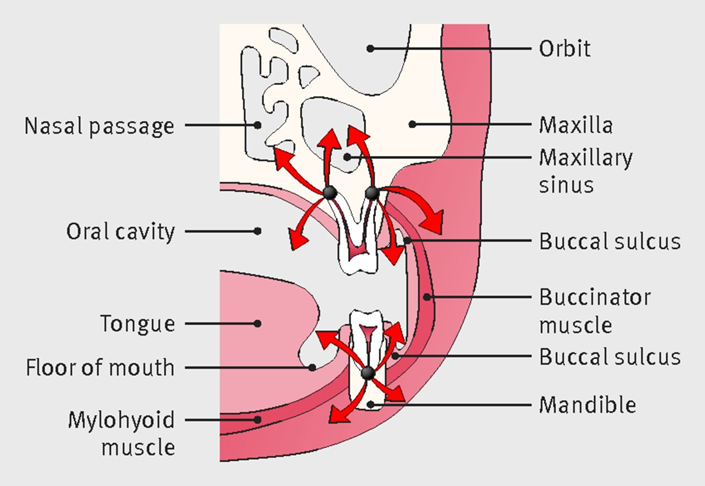
Dental swellings are a common cause of facial infections presenting to the emergency department. While many can be managed conservatively with antibiotics and dental referral, some carry significant risks, especially due to their proximity to the airway.

The Multi-Specialty Recruitment Assessment (MSRA) has become a decisive factor in CST shortlisting. In this bulletin, I will attempt to explain how the exam has evolved over recent years and how to best revise for it. With the proposed changes to ST1 recruitment, MSRA may ultimately be of less relevance. However, it is still important to acquaint ourselves with the exam while it is being used for CST applications.

OMFS is still a relatively young specialty, and its development has differed across the world. What started as basic dentoalveolar surgery has grown into everything from microvascular reconstruction to major head & neck oncology, however, not every country has taken the same route to get there. Some demand dual degrees, others focus on dental-only training, and some have created hybrid models that offer flexible training pathways.
For those of us planning to pursue (or are currently training) OMFS in the UK, understanding these differences may help us appreciate why the UK pathway is structured the way it is, and what opportunities (or challenges) await if you're considering working abroad. Whether you stick with the UK grind or explore international options, being aware of the landscape helps you make informed choices about your career.
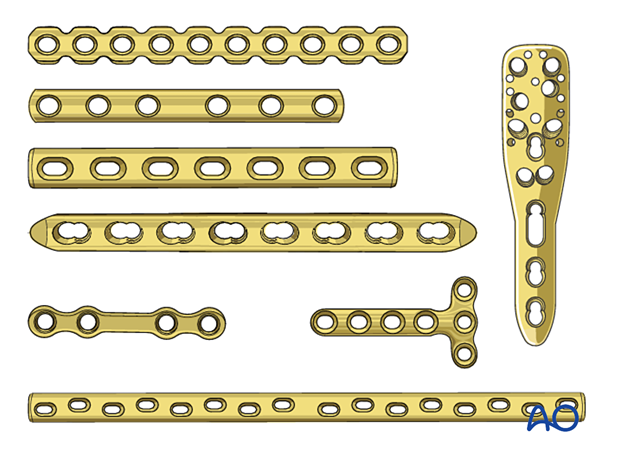
Organising a plating course can often feel overwhelming at first. It’s easy to not know where to start, particularly if you haven’t done it before. Over the previous 3 years, the South West have delivered a plating course on a yearly basis, attracting delegates from places as far as Northern Ireland. I have compiled an unofficial guide to help support other representatives who are wanting to organise a plating course.


Applying for a second degree in medicine or dentistry is a high-stakes opportunity and can be pivotal in one’s professional arc. Since the COVID-19 pandemic, virtual interviews have become the norm and show no sign of disappearing. Though you’ll likely be conducting these interviews from the comfort of your home, excelling in the virtual format requires extra technical preparation, polished communication, and some awareness of social psychology. Thanks to past successful candidates and faculty members involved with the interview process, here is a selection of actionable key tips to ensure you present yourself as a standout candidate.

This is intended to provide an overview of the assessment and initial management of penetrating neck injury for OMFS first on call based on RCS England 2017 Guidelines1. It is important to ensure local policies regarding which specialties manage these injuries are followed and to involve seniors early. Links have been provided to additional sources details of surgical intervention.