
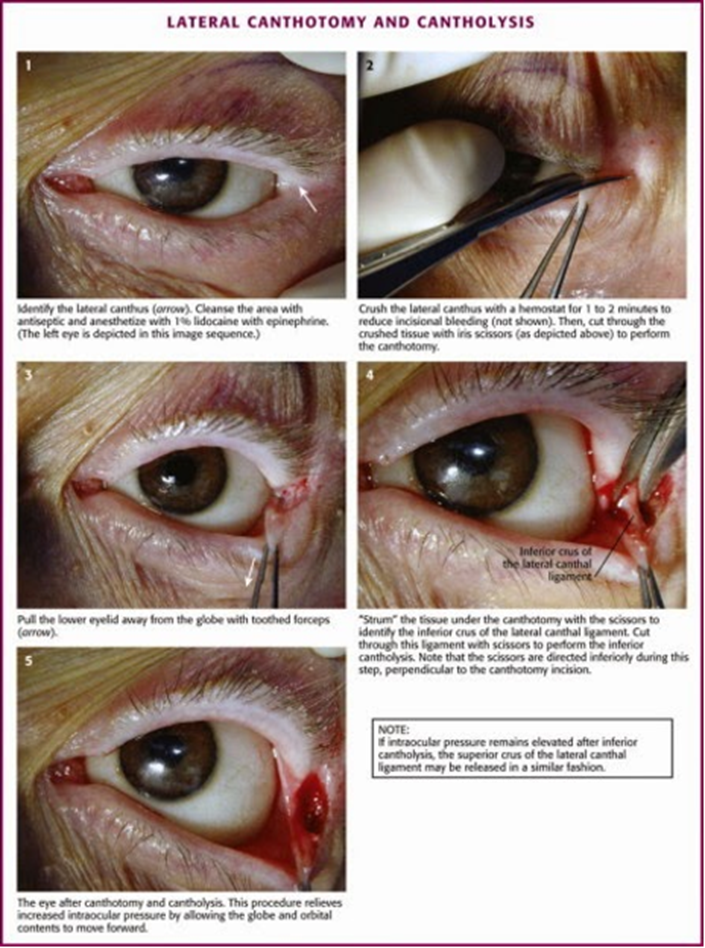
Retrobulbar Haemorrhage: What a DCT should know
Everything in life can be compartmentalised – and OMFS on-call is no different. If one really wants to break things down to the very basics, there are only really three different true OMFS emergencies requiring a timely intervention that you may have to handle while on-call: Airway compromise, Infection, and Bleeding (or a combination of the three). This isn’t to say you have to handle these issues alone – senior support would be expected in any of these cases – however, knowledge of the pathophysiology, consequences, and urgencies is crucial for diagnosis, escalation, and initial management.
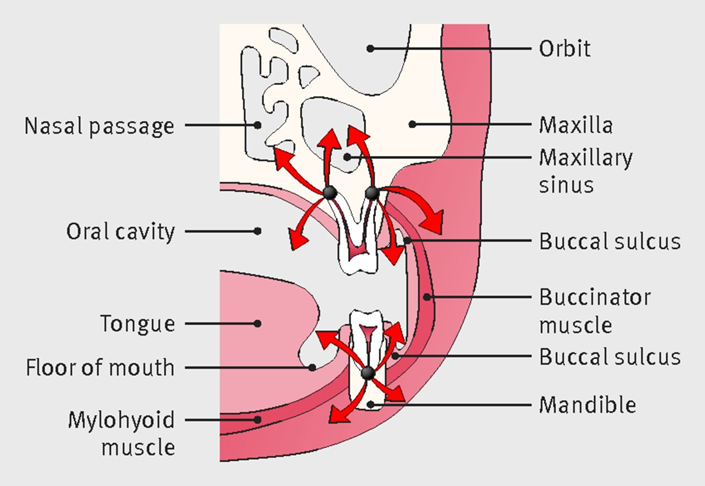
Dental Swellings: Assessment & Management in ED
Dental swellings are a common cause of facial infections presenting to the emergency department. While many can be managed conservatively with antibiotics and dental referral, some carry significant risks, especially due to their proximity to the airway.

Advice for Sitting the MSRA
The Multi-Specialty Recruitment Assessment (MSRA) has become a decisive factor in CST shortlisting. In this bulletin, I will attempt to explain how the exam has evolved over recent years and how to best revise for it. With the proposed changes to ST1 recruitment, MSRA may ultimately be of less relevance. However, it is still important to acquaint ourselves with the exam while it is being used for CST applications.

Global OMFS Training: How Does the UK Compare?
OMFS is still a relatively young specialty, and its development has differed across the world. What started as basic dentoalveolar surgery has grown into everything from microvascular reconstruction to major head & neck oncology, however, not every country has taken the same route to get there. Some demand dual degrees, others focus on dental-only training, and some have created hybrid models that offer flexible training pathways.
For those of us planning to pursue (or are currently training) OMFS in the UK, understanding these differences may help us appreciate why the UK pathway is structured the way it is, and what opportunities (or challenges) await if you're considering working abroad. Whether you stick with the UK grind or explore international options, being aware of the landscape helps you make informed choices about your career.
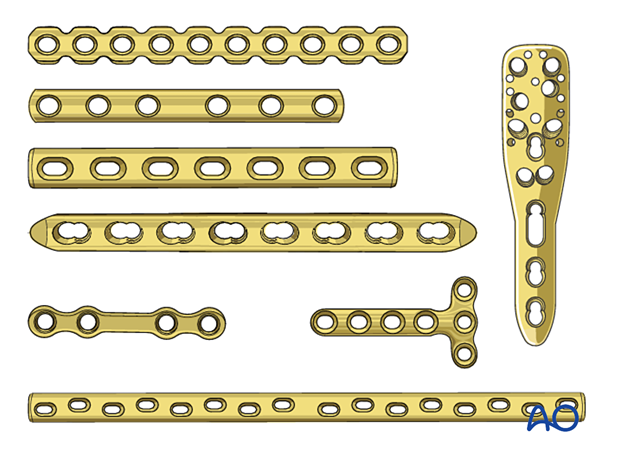
Organising a Practical Plating Course: an unofficial guide
Organising a plating course can often feel overwhelming at first. It’s easy to not know where to start, particularly if you haven’t done it before. Over the previous 3 years, the South West have delivered a plating course on a yearly basis, attracting delegates from places as far as Northern Ireland. I have compiled an unofficial guide to help support other representatives who are wanting to organise a plating course.


Acing Your Virtual Interview: A Guide for Dual-Qualification Medical and Dental Aspirants
Applying for a second degree in medicine or dentistry is a high-stakes opportunity and can be pivotal in one’s professional arc. Since the COVID-19 pandemic, virtual interviews have become the norm and show no sign of disappearing. Though you’ll likely be conducting these interviews from the comfort of your home, excelling in the virtual format requires extra technical preparation, polished communication, and some awareness of social psychology. Thanks to past successful candidates and faculty members involved with the interview process, here is a selection of actionable key tips to ensure you present yourself as a standout candidate.

Overview of Management of Penetrating Neck Injury
This is intended to provide an overview of the assessment and initial management of penetrating neck injury for OMFS first on call based on RCS England 2017 Guidelines1. It is important to ensure local policies regarding which specialties manage these injuries are followed and to involve seniors early. Links have been provided to additional sources details of surgical intervention.