
A Medic’s Guide to OMFS
What is OMFS?
Oral and Maxillofacial surgery is a surgical specialty that requires expertise from both medicine and dentistry. It encompasses the surgical and non-surgical management of conditions of the hard and soft tissues of the face, jaws and neck.
What’s the difference between OMFS, Plastics and ENT?
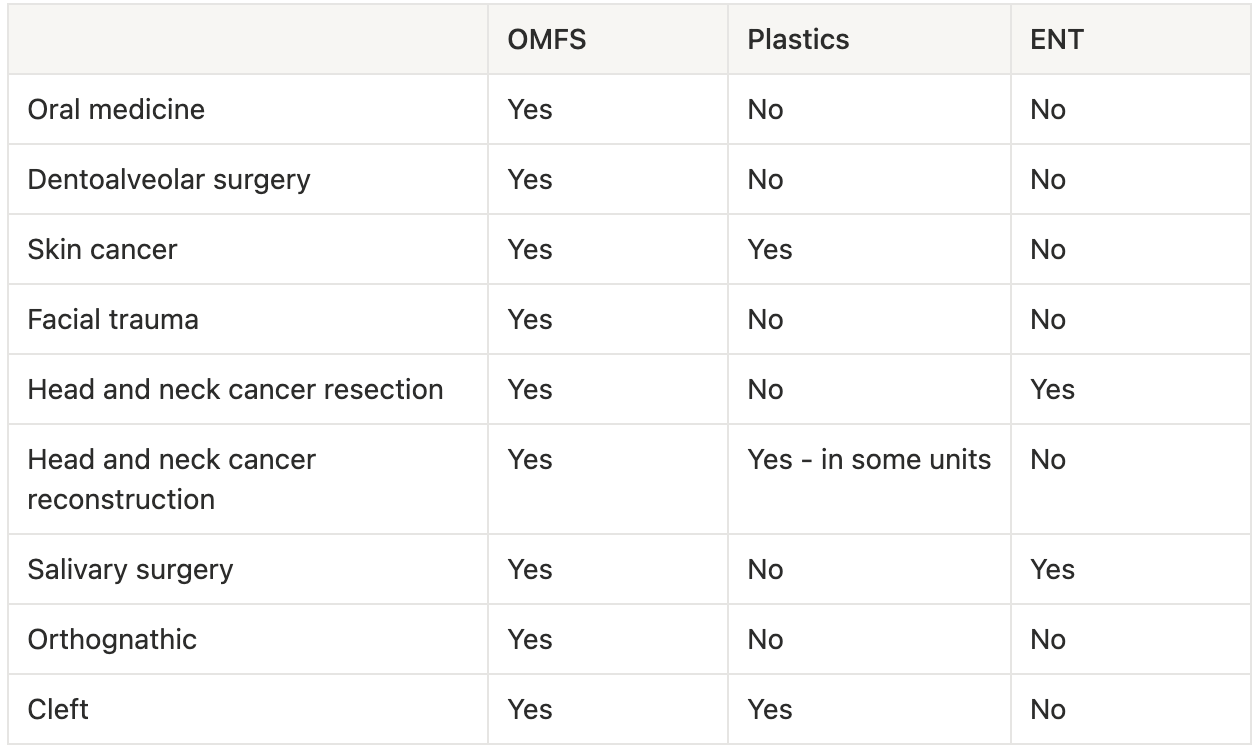
Often there is collaboration between these specialties, particularly in complex malignancy of the head and neck. However, the scope of work within the head and neck is very different amongst these specialties. All specialities have some scope of work within the head and neck. Below is a small table illustrating the scope of the work and the overlap between specialties.
What is Dentoalveolar Surgery?
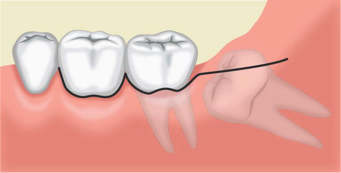
Dentoalveolar surgery involves the removal of impacted teeth, difficult extractions, and the treatment of diseases of the teeth, soft tissue, and the jawbone.
What is skin cancer surgery?
Skin cancers are the most common cancer in the UK. There are two type melanoma and non-melanoma, with in the scope of OMFS , skin cancer can be excised with a local biopsy (non-melanoma) or under general anaesthetic for invasive tumours (melanoma).
What is facial trauma?
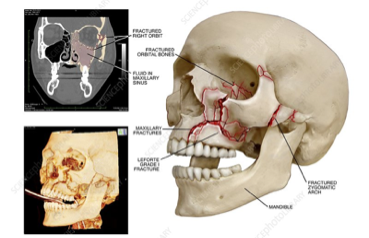
This is damage to the soft tissue and bone of the face, this is often following high impact trauma, facial trauma is a common injury is common in emergency OMFS.
What is head and neck cancer resection and reconstruction?
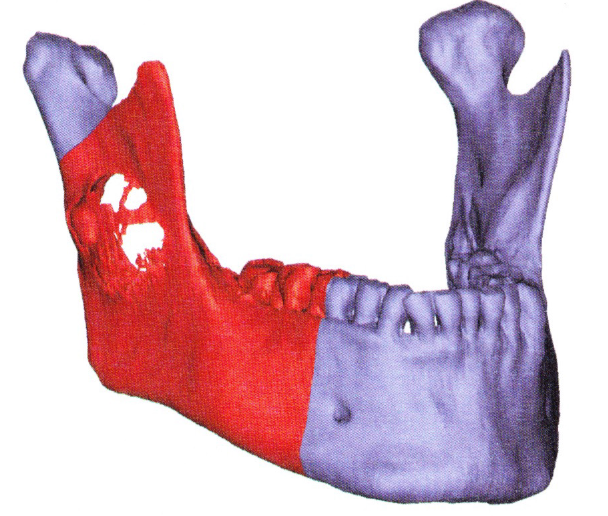
This is often a curative treatment to treat head and neck tumours, including tumours of the tongue, oral cavity, tonsils and facial skeleton. Some of these procedures can last more than 12 hours, and include an MDT approach to the planning. The reconstruction is often requires free tissue transfer from distant body parts such as the legs or arms.
What is salivary surgery?
The common problems affecting salivary glands include obstruction, blockage cysts or tumours. Appropriate investigation may help in the diagnosis prior to consideration to surgery. Salivary gland surgery is usually performed to remove tumours that grow in these glands and analyse them. More than 70% of these tumours are benign (non-cancerous), but any lump that is detected must be analysed.
What is orthognathic surgery?
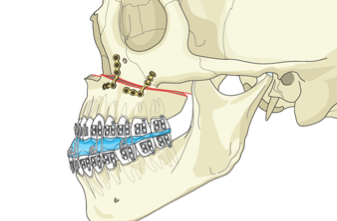
Orthognathic surgery is an operation to correct the position of the upper and lower jaws to enable the teeth to meet correctly and improve a patient’s facial profile. It involves orthodontic treatment and jaw surgery and can take up to three years to complete.
What is cleft surgery?
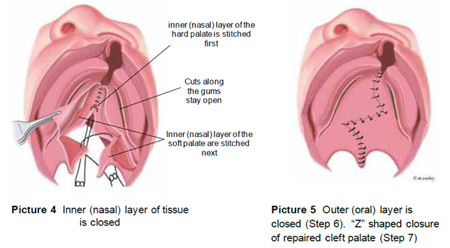
Cleft palate surgery closes the opening in the palate to restoring the structure and function of the palate, typically this is a developmental deformity. Cleft palate repair is a major surgery with serious risks and potential complications. Most children with cleft palate have the surgery between nine and 12 months of age.
Will you be an old consultant?
The evidence suggests that there is little difference in age of those in other surgical specialities and OMFS. Cameron et al 2008 suggest that surgical SpR populations ranged from 33.5 to 38.2 years with an average age of 36.14 years. OMFS SpR's average age is 37.69 years.
What can you look forward to in OMFS?
Supportive network of colleagues, interesting scope of work and opportunity to develop another skillset in dentistry.
Check out our Start here page for more information
More information
https://www.baoms.org.uk/professionals/careers_in_omfs.aspx
Jo Ismail
